
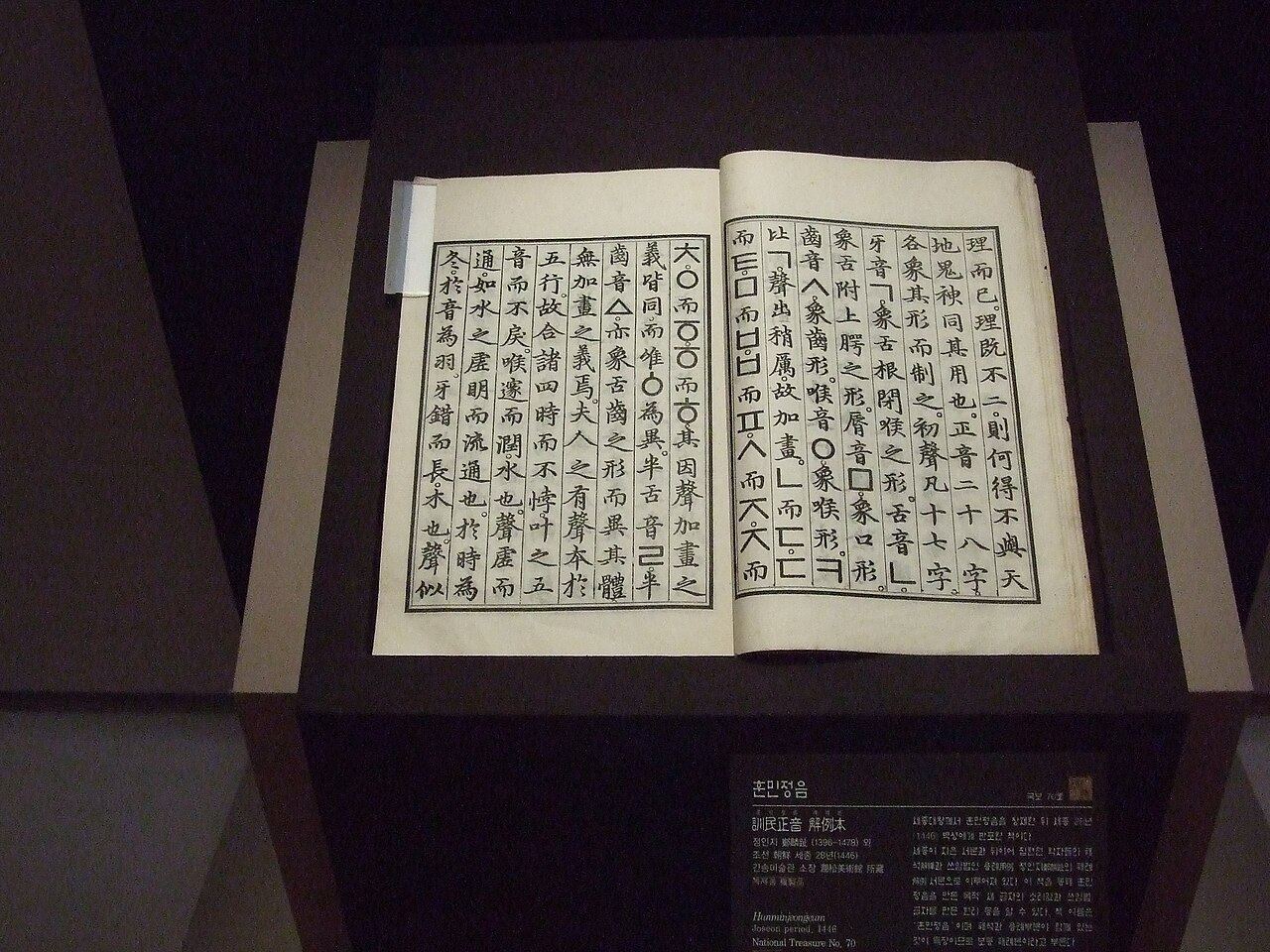
Short answer In the 15th century "eorida" meant foolish. The sense of "young" appeared from the 16th century and is the main meaning today.
The Hunminjeongeum book made under King Sejong. A version of it written out in Hangul says "even when the eorin people have something to say."
Here "eorin" does not mean young. It means "foolish."
EoridaIn the 15th century it meant foolish
 So a "child" was originally a foolish person?
Before the word "eoriseokda" (foolish) existed, "eorida" carried that meaning.
From the 16th century the sense of "young" appeared. Over time it became the main meaning.
"Eorini" (child) is "eorin" plus "i." It shows up in texts from the 17th century.
Word meanings just drift wherever they like
Watch it as a short
Sources
Photo credits
- Hunminjeongeumhaerye.jpg, Kbarends at English Wikipedia, Public domain (source)

More useless facts
 WordsSpace Comes in Three WordsAstronauts can't go to the universe. Why?
 WordsOK Started as a Joke About Bad SpellingOK began as a joke, spelled wrong on purpose
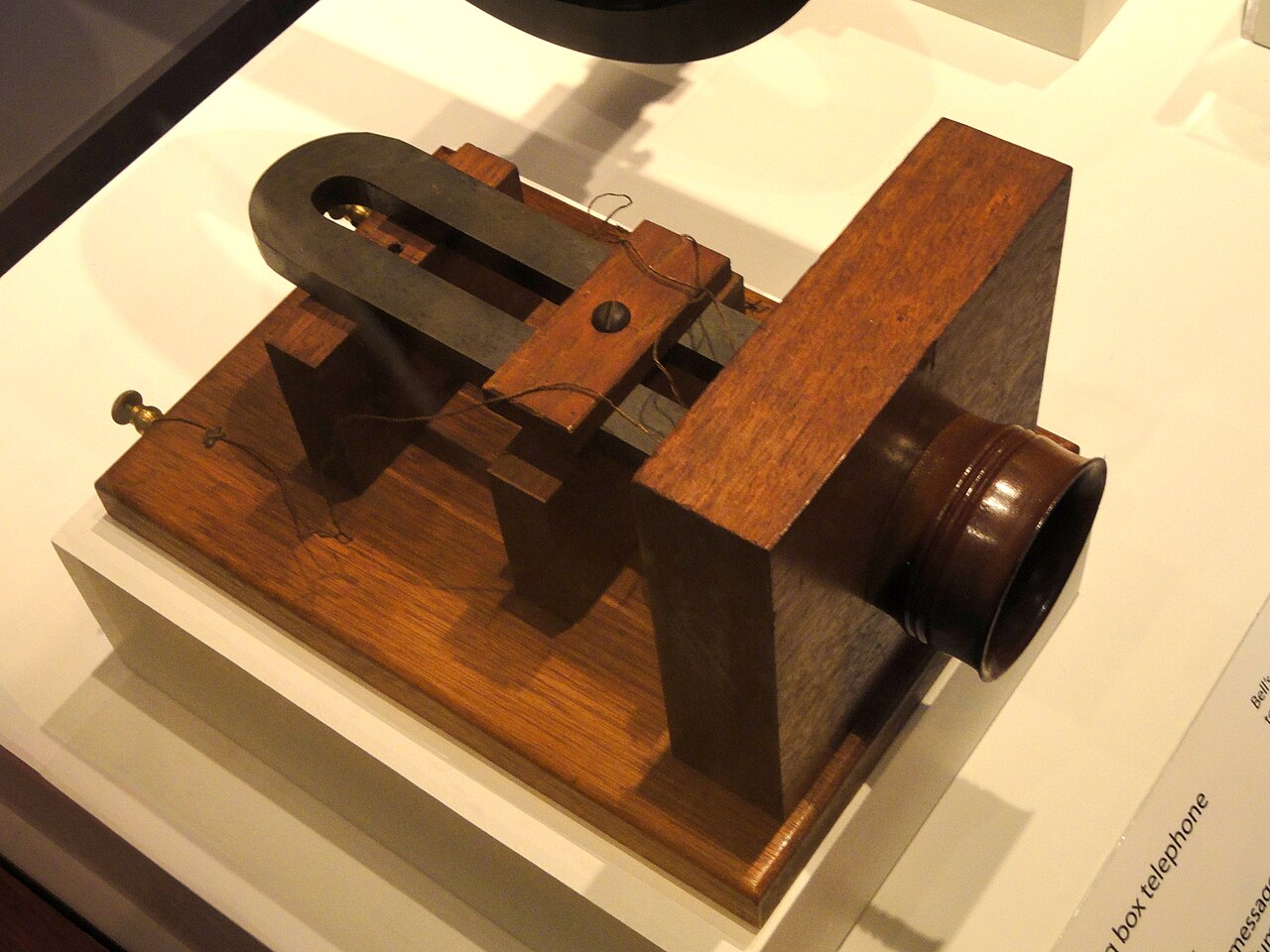 WordsWe Almost Answered the Phone With AhoyBell, who invented the telephone, wanted calls to start with ahoy instead of hello
 AnimalsFood's over there. This bee rolls a ball.Rolling the balls earned no treats, but these bees kept coming back