
Blog · Behind the scenes
Devlog · Setbacks
I Got the Same Feedback 20 Times. Writing Rules Twice Changed Nothing
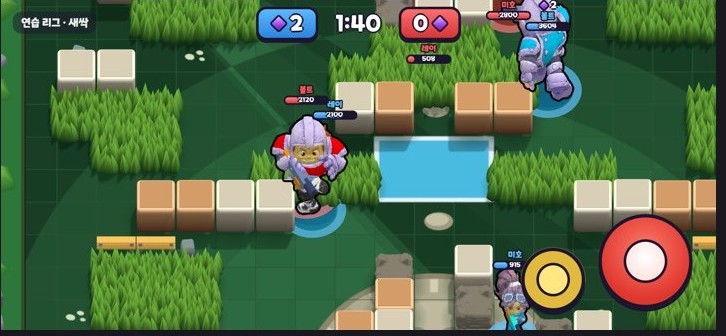
Every time I showed a finished screen, the answer came back "this looks rushed," and over three days my tally went from 13 to 20. The cause wasn't skill, it was order. I only compared against the reference screen after I had already said "done." So instead of another rule, I put a step in front of release: place the screen side by side with the reference, and let a scorer who doesn't know which is which give it a score.
October 30: the same line came five times
At 12:31 pm I got "feels like it was thrown together with minigame code." At 5:20 pm came "feels way too rushed," and at 6:34 pm, "why did you put it in so carelessly in the first place?" That day the tally gained five lines of "rushed."
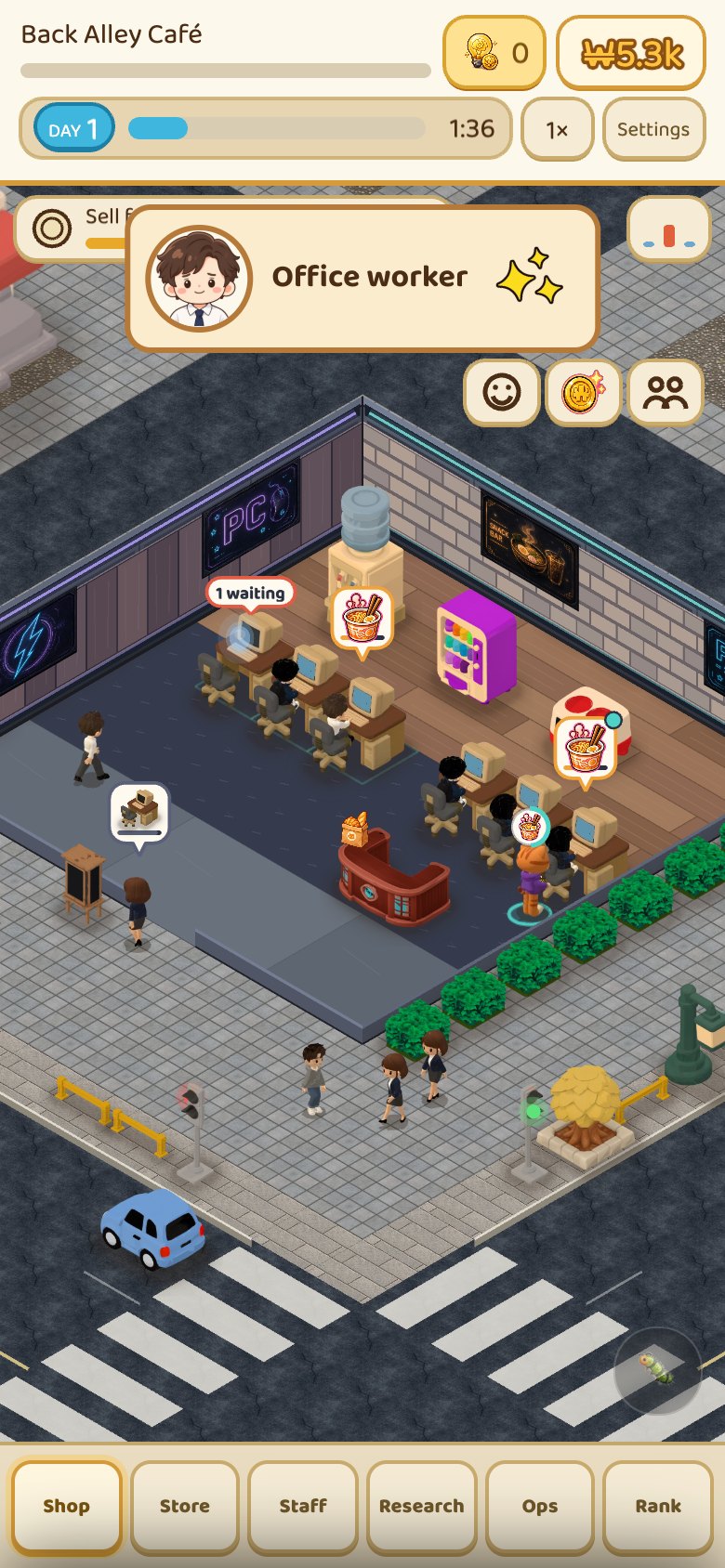
What I had shipped just before that: the PC cafe ramen minigame was a single brown bar, the Chichi Brawl pieces were shapes drawn in code, and the top icons were symbol characters. Looking back, none of the comments were wrong.
I had already written rules twice
This wasn't the first time. On October 26 I wrote the rule "a comparison sheet is required," and on the 28th I added a "build it like a game studio" principles doc and a motion check. Even so, it hit number 13 on the 27th and number 20 on the 30th.
Every one of those rules was a rule for the maker to follow. The moment the maker feels "this is good enough," there is no reason to remember the rule. The rules weren't weak. The maker was choosing when to apply them.
| Writing rules twice | Changing the order | |
|---|---|---|
| Who decides | The maker, when they remember | The release step, automatically |
| Standard | "It moves" and "it shows" | Scored out of 10 next to the reference screen |
| If it fails | I wave it through as "fine" | Under an 8 average, nobody sees it |
The only thing I changed was the order
I added three steps before release. First, grab a real screen from a game that sells well and put it next to ours on a single sheet. Second, a scorer who doesn't know which side is the reference rates material, size, grounding, and effects out of 10. Third, if the average is under 8, the studio's owner doesn't see it and I rebuild.
The point is separating the scorer. If the maker scores, scores run generous. Hiding the source removes the "but we made this" eye.

How the numbers moved
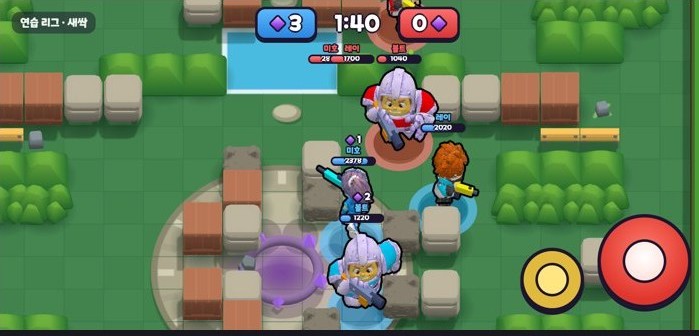
This is the record of running the Chichi Brawl screen through that process. The round 6 score was 4, and round 8 was 4.5. The reasons were specific every time: the bodies are realistic in proportion so they don't read from above, and the ground and bushes are the same green so they blend in. In round 25 it reached the 7s.
Over the same period, the ledger comparing reference-screen elements one by one went from 9 to 32 of 41 matching. After round 25 the score stayed around 7.1, and the margin of error in scoring here is about plus or minus 0.4. In the 7s, when two versions tie, I put both side by side for the studio's owner to choose.
It isn't fully solved yet
On November 7 the tally became 23. The ticket for adding this step stayed open into early November, and one short video got flagged for the same reason: "reported done before placing it next to the real broadcast screen."
Even after changing the order, a gap stayed open: cases where I compared only the part I fixed and never the whole screen. Now when an instruction like "bring it over exactly" arrives, I start by placing the reference video next to mine at 0.25x speed. It's too early to say whether that works.
FAQ
How do you check a game's quality before release?
Before the maker says "done," put the screen next to a real screen from a game that sells well and score it out of 10. The scorer is best someone who doesn't know which side is the reference. Also set the condition up front that anything under the average bar (8 here) doesn't ship.
What do you do when the same feedback keeps coming back?
Before adding more rules, look at when the feedback arrives. If it only comes after release, the moment of applying the rule is in the maker's hands. Moving that moment into the release step worked better than adding rules.
Why do indie games look rushed?
In our case it was pieces patched with shapes, icons made from symbol characters, and effects that were a single bar. Put at the same size as the reference screen, the gap showed up right away in material, grounding, and effect density.
What if the score stops rising in the 7s?
The scoring margin is about plus or minus 0.4, so it can't tell much apart at 7 and above. When scores tie, putting both versions side by side and choosing by eye worked better.
More from the blog
 ComparisonOnsen and bathhouse games: 8 compared by what the store pages sayOnsen and bathhouse games from Steam, Google Play and the App Store in one table: price, rating, idle or not, Korean and Japanese support, plus the weak spots of our own game.
 ComparisonIdle tycoon games that work offline: 8 picks sorted by store labelsWhich idle tycoon games work offline? Google Play tag, store wording, list price and ads in one table, plus our own game's weak spots.
 Games likeFinished Kairosoft? 14 games to play next, sorted by what you lovedIf you have played through Kairosoft, here are 14 games sorted into four flavors: short grow-it sessions, running a shop, watching residents live, and layout puzzles. Steam list prices, review scores and UI languages checked by hand.
 ComparisonInternet Cafe Simulator Games in 2026: 17 Picks, iPhone IncludedLooking for an internet cafe simulator on iPhone, Android or Steam? We compared 17 games using prices, ratings and offline notes read straight off the store pages, plus our own game's weak spots.