
Blog · Korean culture
Korean culture, explained
What Is a PC Bang? A First-Timer's Guide to Korea's PC Cafes
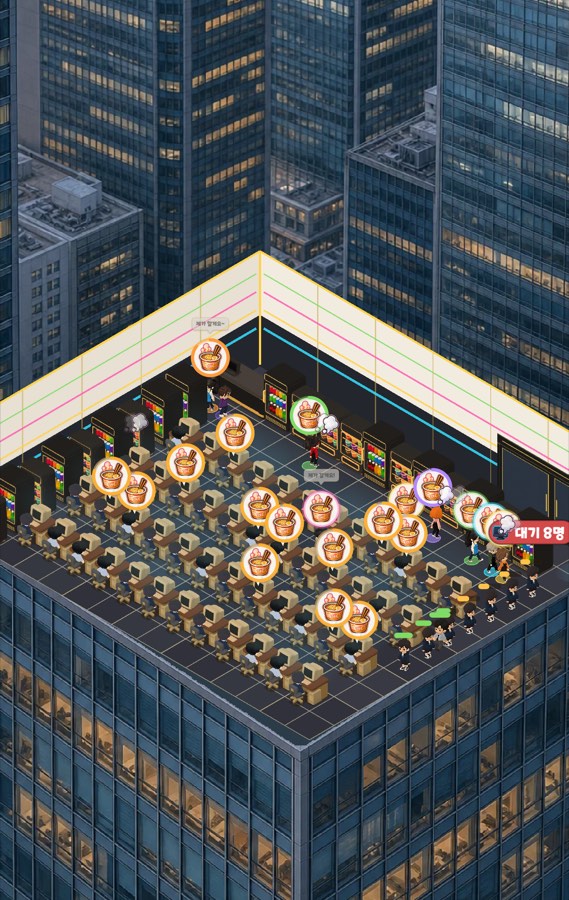
A PC bang is a Korean PC cafe where you rent a gaming PC by the hour. In Seoul in 2026, a regular seat costs roughly 1,000 to 2,000 won an hour, and you can order ramen or fried rice straight from your screen. Many are open 24 hours, and foreigners can pay as a guest at the entrance kiosk and sit down right away.
What a PC bang actually is
Bang (방) means room in Korean, so PC bang literally translates to PC room. The name undersells it. A typical PC bang is a large hall with dozens of gaming PCs in rows, and the big ones run past a hundred seats. People go because they get a fast machine without owning one, and because they can sit next to their friends and play together.
PC bangs spread across Korea in the late 1990s, when broadband arrived and online games took off. Today the standard setup is a gaming monitor, a mechanical keyboard and a headset, and many places have couple seats or team rows. In Korea a PC bang works as an arcade, a cheap diner and a place to meet friends, all in one room.
PC bang prices: how much per hour?
You pay for time up front. In 2026 a regular seat in Seoul runs roughly 1,000 to 2,000 won an hour, while premium or esports-themed venues with wider seats can reach around 3,000 won. Members pay a little less than guests in the same shop, and buying several hours at once often gets you bonus time.
Members can save leftover time for their next visit. As a guest, unused time usually ends with your session, so start with an hour or two.
| What | Rough range (2026) | Notes |
|---|---|---|
| Regular seat | 1,000 to 2,000 won per hour | Varies by neighborhood and shop |
| Premium seat | Around 2,000 to 3,000 won per hour | Bigger chair, high refresh monitor |
| Food | A few thousand won per item | Charged separately from PC time |
Seats and what's installed
Seats usually come in a few types: regular seats, couple seats for two side by side, and premium seats with a bigger chair and desk. If you came as a group, check the seat map on the kiosk for a team row you can take over. Some shops have you pick a seat at the kiosk, and others let you sit anywhere that's free.
Popular online games and launchers like Steam are almost always preinstalled, and every seat has a headset. You log in with your own game accounts. When choosing a seat, avoid the spots right by the smoking room door or the entrance if you want it a little quieter.
How to use a PC bang as a foreigner
Most PC bangs have a self-service kiosk by the door. Signing up as a member often requires a Korean phone number for verification, so travelers should pick the guest (non-member, 비회원) option. Choose how to pay, buy the hours you want, and the kiosk prints a slip or card with a one-time number.
Sit at any free seat, type that number into the login screen, and your time starts counting down. If the kiosk is confusing, show the counter staff your receipt and say "bi-hoe-won" (guest). Your remaining time stays in the corner of the screen, so you can top up when it runs low.
Ordering food to your seat
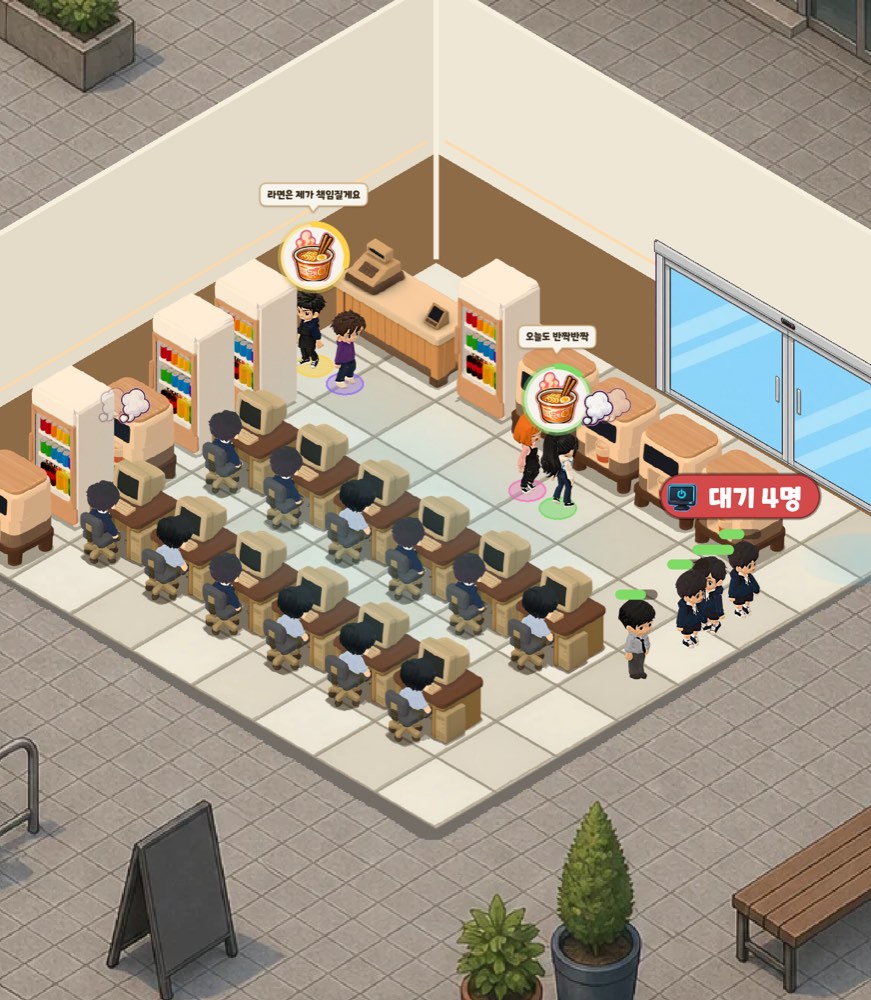
This is the part that surprises most first-time visitors. Click the order button on your screen, pick from the menu, and staff bring the food to your desk. You pay from your balance or by card.
The menu covers instant and cooked ramen, fried rice, tteokbokki, corn dogs and fries, plus sodas and iced coffee. More shops now cook to order, and Koreans joke that PC bang food beats a lot of snack bars. Eating next to your keyboard is completely normal here.
- Ramen: the best seller, cooked by staff
- Fried rice and rice bowls: what people order for a real meal
- Drinks: some shops let you grab them yourself from a fridge or vending machine
24-hour hours and house rules
Many PC bangs are open 24 hours, which makes them a handy place to land late at night. A few rules are set by law: minors cannot enter between 10 p.m. and 9 a.m., and smoking is banned indoors, so smokers use a separate smoking room.
Etiquette is simple. Wear your headset, keep voice chat at a normal volume, and stack your empty bowls by your desk. Always log out of your game accounts before you leave. These are shared PCs, and the next person could walk straight into your account.
What other countries call a PC bang
Similar shops exist across Asia and Latin America under different names. The core idea is the same everywhere: rent a PC by the hour to play games. Korea's version simply went further on hardware and food.
| Country | Local name |
|---|---|
| South Korea | PC bang (PC방) |
| Taiwan | 網咖 (wangka) |
| China | 网吧 (wangba) |
| Japan | net cafe (mostly manga and private booths), gaming cafe |
| Indonesia | warnet |
| Vietnam | quán net, tiệm net |
| Brazil | lan house |
| Philippines | computer shop |
Seen from the owner's chair
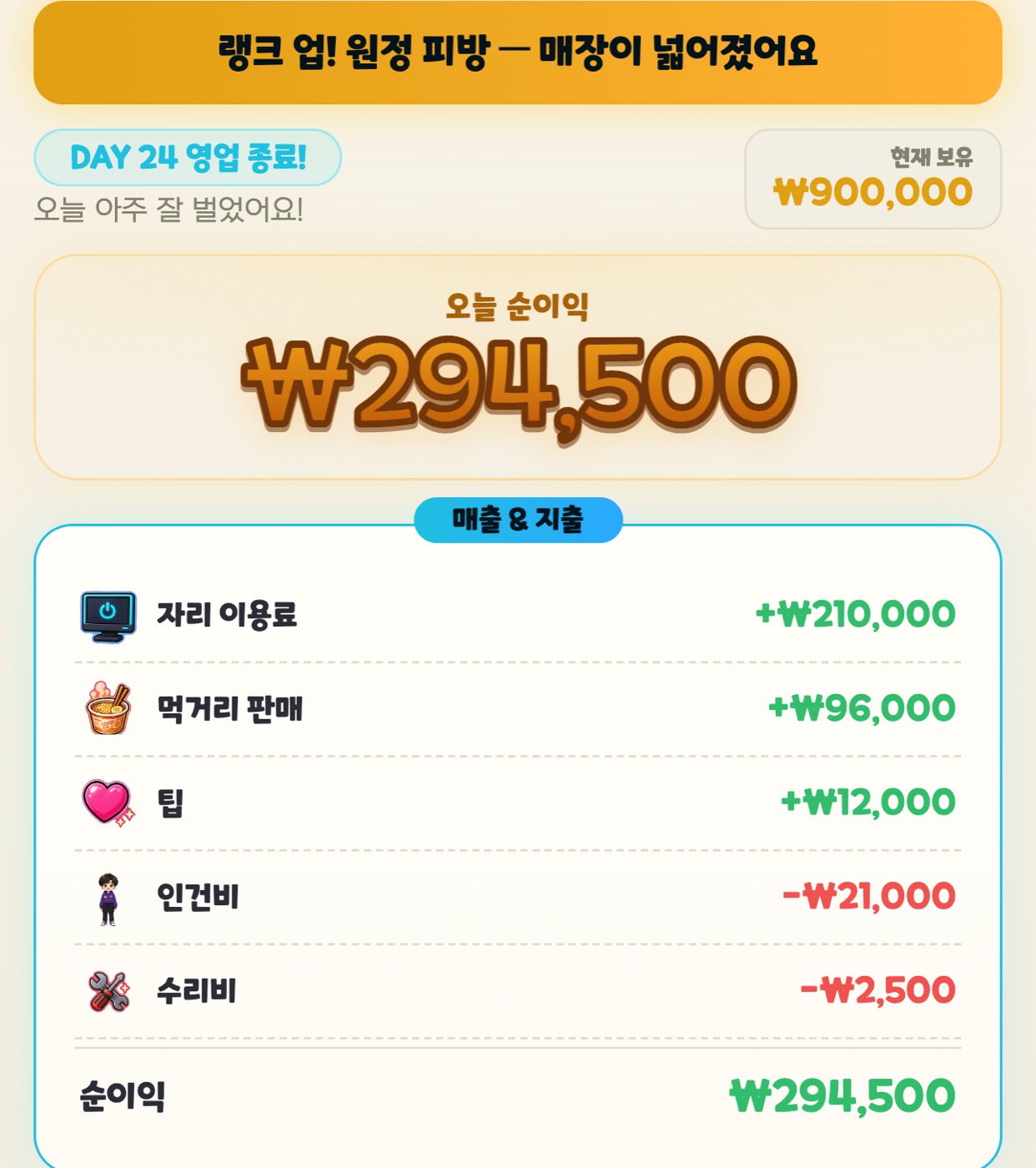
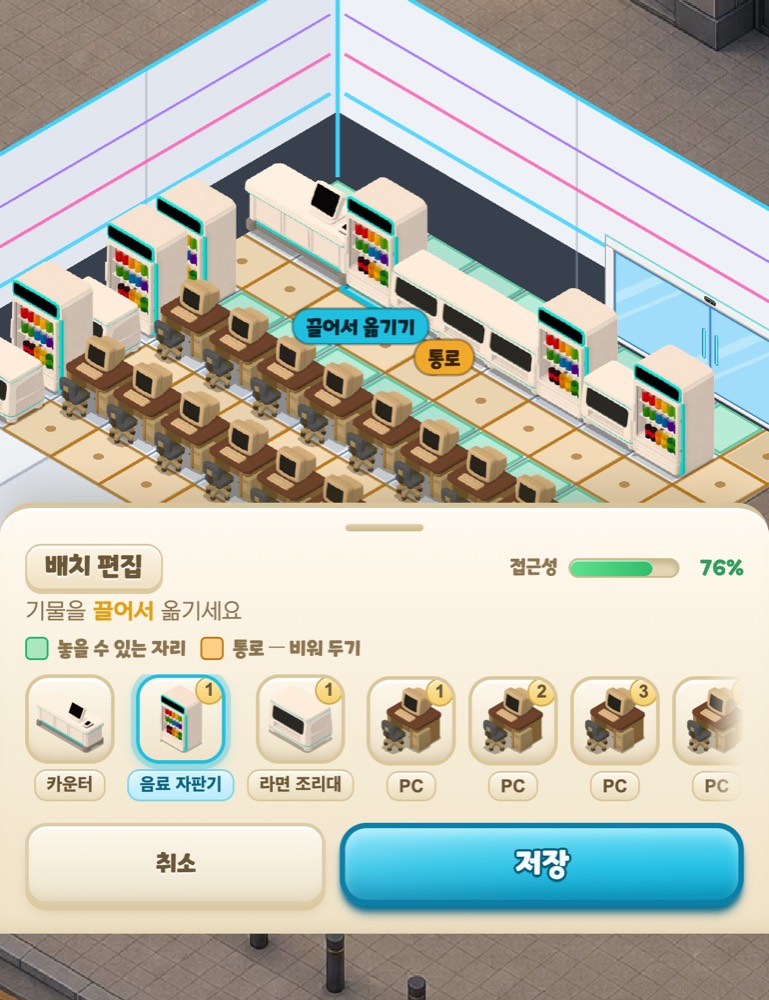
To a customer it looks like the hourly rate is the whole business. From behind the counter, money moves in several directions. Ramen and drinks bring in a large share on top of seat fees, while staff wages and repairs for broken machines go out. Put the ramen station far from the seats and it sells less. Block an aisle and guests can't reach their chairs.
Try it in a game
Our game PC Cafe Tycoon starts you with a small back-alley PC bang and a handful of PCs. Guests queue at the door, order ramen from their seats, and every day ends with a report like the one above. If you want to see how a Korean PC bang runs from the owner's side, give it a try.
FAQ
How much does a PC bang cost in Korea?
In Seoul in 2026, a regular seat costs roughly 1,000 to 2,000 won an hour, and premium venues around 3,000 won. Members pay a bit less than guests, and prices vary by shop.
Can foreigners use a PC bang?
Yes. Choose the guest (non-member) option at the entrance kiosk and buy some hours. Membership usually needs a Korean phone number, so the guest option is easier for travelers.
Can you eat at a PC bang?
Yes. You order from the screen at your seat and staff bring it to you. Ramen, fried rice, tteokbokki and drinks are common, and food is paid separately from PC time.
Are PC bangs open 24 hours?
Many are. Minors are not allowed inside between 10 p.m. and 9 a.m.
What is the difference between a PC bang and an internet cafe?
A PC bang is Korea's take on the internet cafe, built mainly for gaming: high-end PCs, headsets, and food delivered to your seat.
More from the blog
 ComparisonOnsen and bathhouse games: 8 compared by what the store pages sayOnsen and bathhouse games from Steam, Google Play and the App Store in one table: price, rating, idle or not, Korean and Japanese support, plus the weak spots of our own game.
 ComparisonIdle tycoon games that work offline: 8 picks sorted by store labelsWhich idle tycoon games work offline? Google Play tag, store wording, list price and ads in one table, plus our own game's weak spots.
 Games likeFinished Kairosoft? 14 games to play next, sorted by what you lovedIf you have played through Kairosoft, here are 14 games sorted into four flavors: short grow-it sessions, running a shop, watching residents live, and layout puzzles. Steam list prices, review scores and UI languages checked by hand.
 Games likeGames like Game Dev Story: 7 Kairosoft alternatives worth playing nextGames like Game Dev Story and Kairosoft alternatives on Steam, iOS and Android, with price, ratings and language support in one table.