
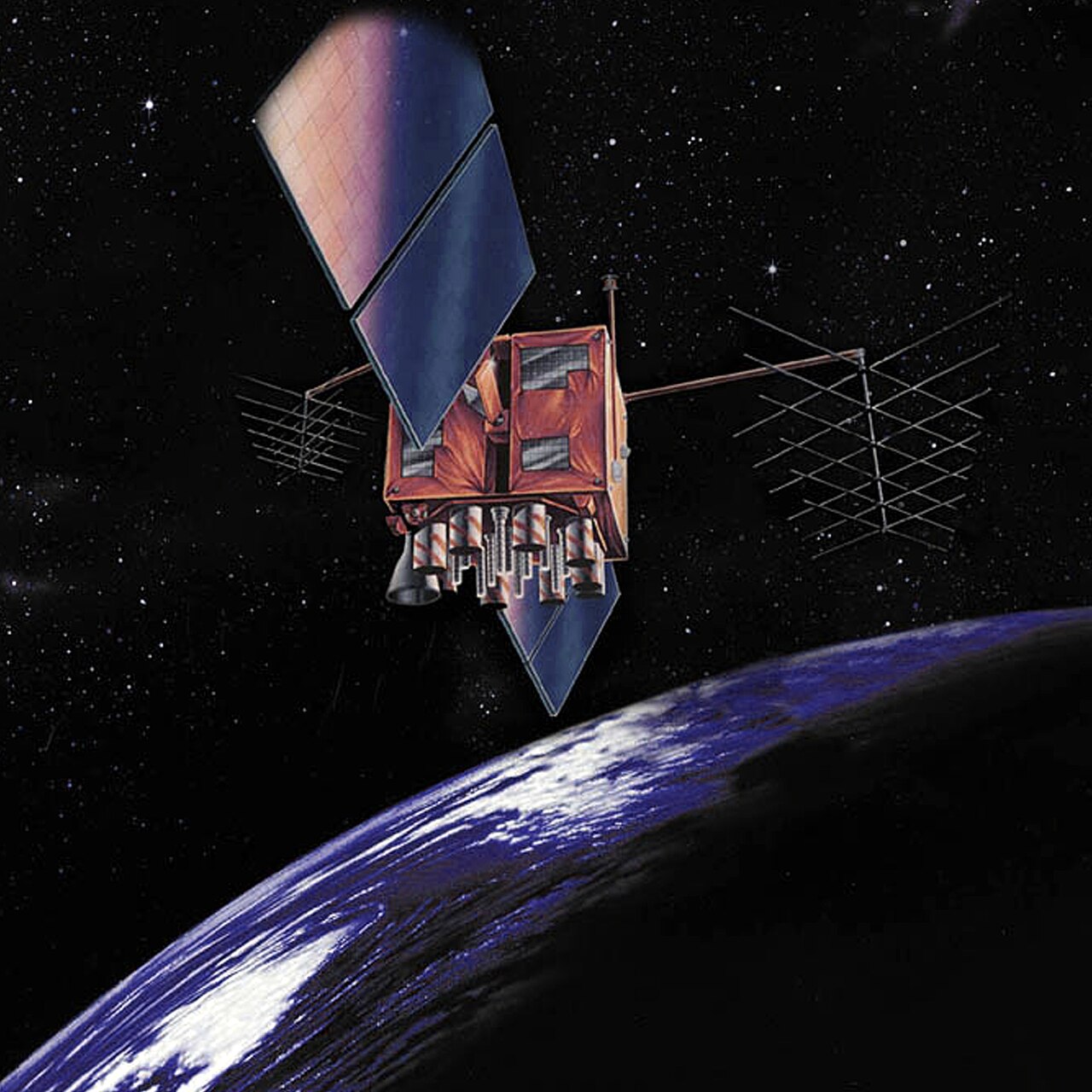
Your map app knows where you are thanks to GPS satellites. They circle the Earth in very high orbits.
Each satellite carries a precise clock and keeps sending time signals. Your phone measures distance by how long a signal takes to arrive.
So if a clock is off by even a tiny bit, your location ends up way off.
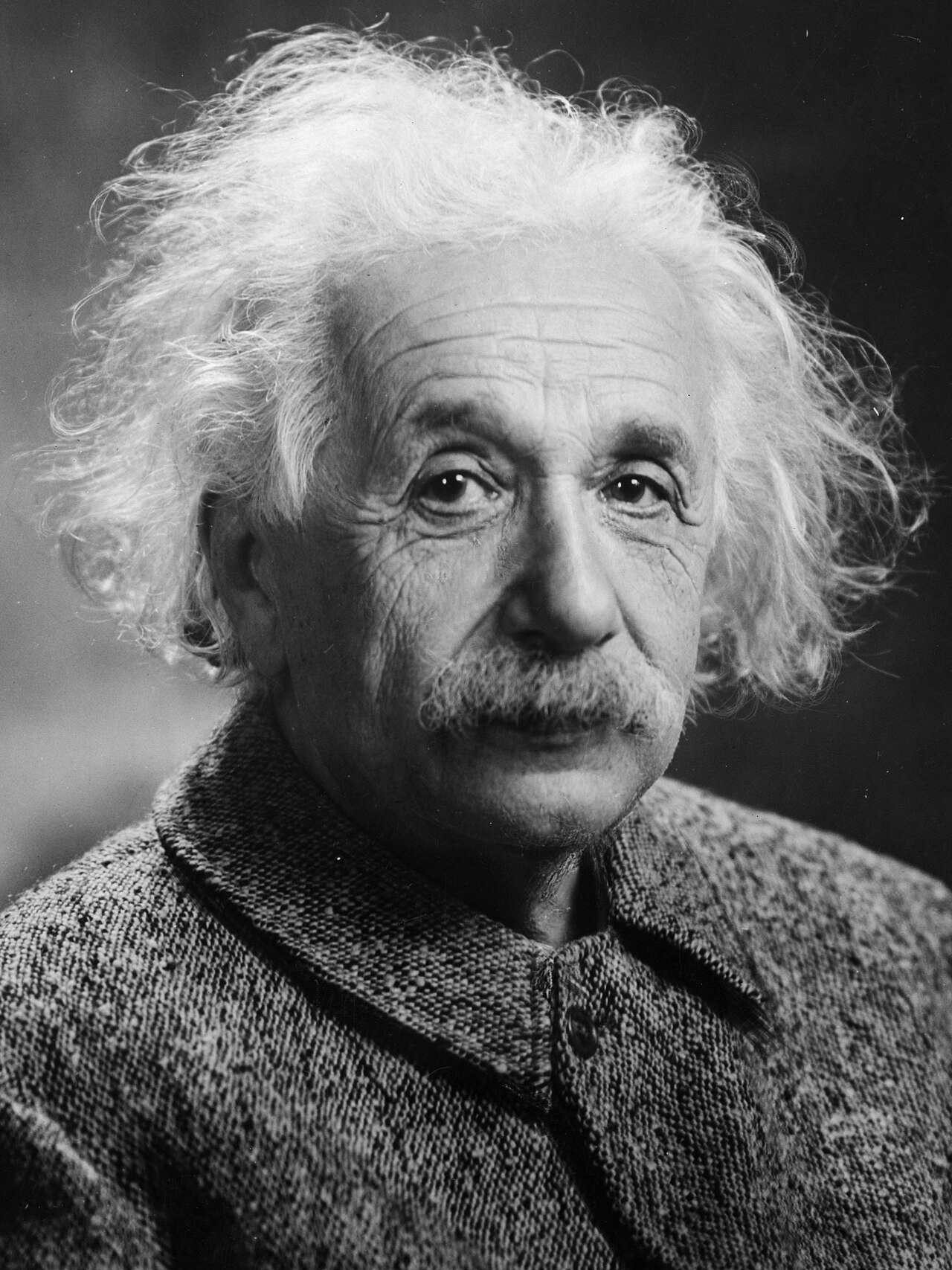
This is where Einstein comes in. According to relativity, time doesn't flow at the same speed everywhere.
Moving fast slows time down. Because of this, satellite clocks fall behind by about 7 microseconds a day.
Where gravity is weaker, time speeds up. Up that high, satellite clocks gain about 45 microseconds a day.
+38μsboth added up: how much faster the satellite clock runs each day
 38 millionths of a second is nothing, right?
Light travels about 300 m in 1 microsecond, so 38 microseconds is about 11 km. For GPS, which measures distance using time, that's a big difference.
So before launch, GPS satellite clocks are set to run slow by that much on purpose. Relativity is at work in your directions every day.
Sources
Photo credits


More useless facts
 FoodKetchup Used to Be Fish SauceThe word ketchup came from a name for pickled fish brine
 The BodyMorning You Is Taller Than Evening YouYou'll measure tallest if you do it in the morning
 PsychologyYour Dog Can Catch Your YawnsWhen you yawn, your dog might yawn right along with you
 AnimalsKoala Fingerprints Can Pass for Human OnesEven under an electron microscope, koala and human fingerprints are hard to tell apart